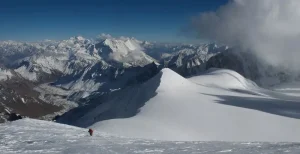
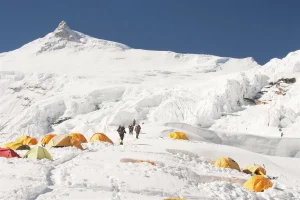
Himlung Himal Expedition (7,126m): The Ultimate 7,000-Meter Peak Climbing in Nepal
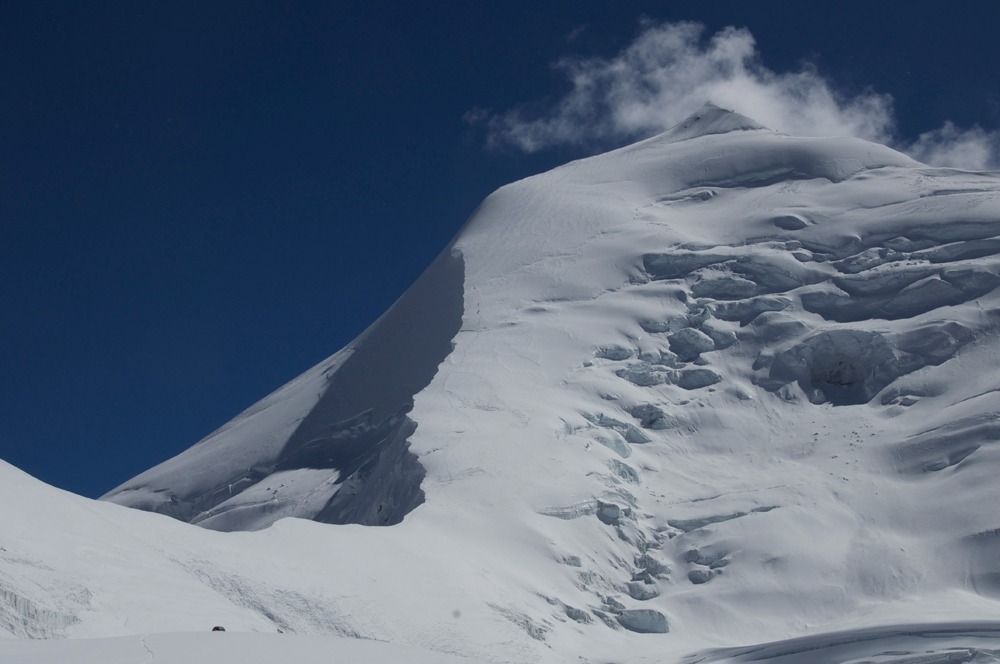
The Himlung Himal Expedition (7,126m) stands as one of Nepal’s premier high-altitude mountaineering journeys. Tucked away in the remote Nar Phu Valley, Himlung Himal delivers an unmatched combination of pristine alpine terrain, technical glacier travel, and breathtaking panoramic views of the Manaslu and Annapurna ranges. With recent mountaineering regulations requiring climbers to successfully scale a 7,000-meter peak before applying for an Everest permit, Himlung has emerged as the definitive gateway to the world’s 8,000-meter giants.
Why Choose Himlung Himal?
Compared to congested classic routes, Himlung offers a peaceful yet rigorous expedition environment. It serves as the ideal bridge for ambitious high-altitude mountaineers looking to transition from technical 6,000-meter objectives—such as Lobuche Peak Climbing with Everest Base Camp Trek—to serious multi-camp Himalayan climbs.
- Attainable High-Altitude Challenge: Considered one of Nepal’s most achievable 7,000-meter peaks, providing a structured progression toward 8,000-meter summits like Manaslu or Everest.
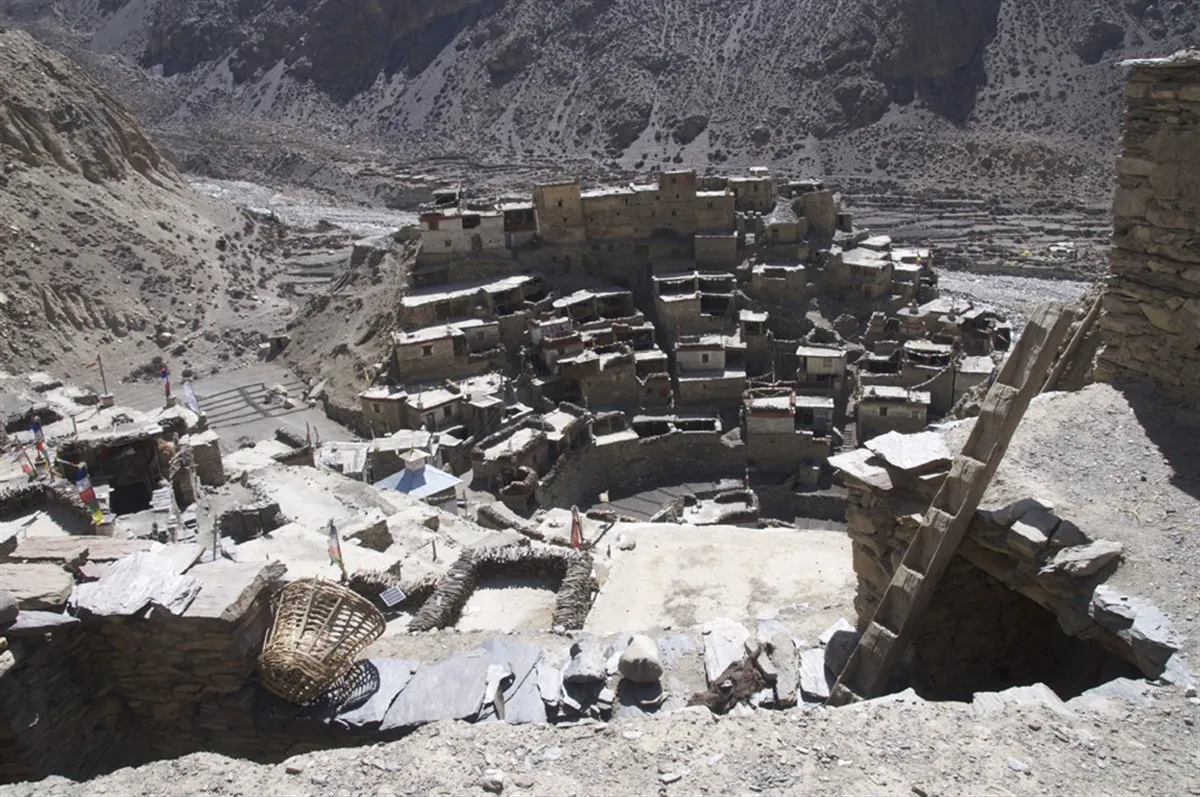
- Unspoiled Approach Trail: Journey through the restricted Nar Phu region, featuring ancient Tibetan-influenced villages, dramatic gorges, and serene monasteries.
- Panoramic Vistas: Captivating views of Annapurna II, Gangapurna, Tilicho Peak, and the vast Tibetan Plateau throughout the trek and climb.
- Low-Density Route: Far less crowded than Everest or Ama Dablam, offering a pure, unhurried mountain experience.
Expedition Route Overview
The journey begins with an overland drive from Kathmandu to Koto, the entry point of the restricted Nar Phu Valley. Over several days, climbers trek through traditional settlements like Meta and Phu to build critical high-altitude acclimatization.
Climbers establishing their foundational endurance on lower-altitude acclimatization routes—such as the picturesque Mardi Himal Trek—will find Himlung’s gradual valley approach ideal for long-term stamina building.
Base Camp & Summit Push
- Base Camp (4,900m): Set up on a stable glacial moraine, serving as the central hub for acclimatization rotations and logistics.
- Camp I (5,430m) & Camp II (6,000m): Established along the Pangri Glacier and upper snowfields to facilitate safe progression.
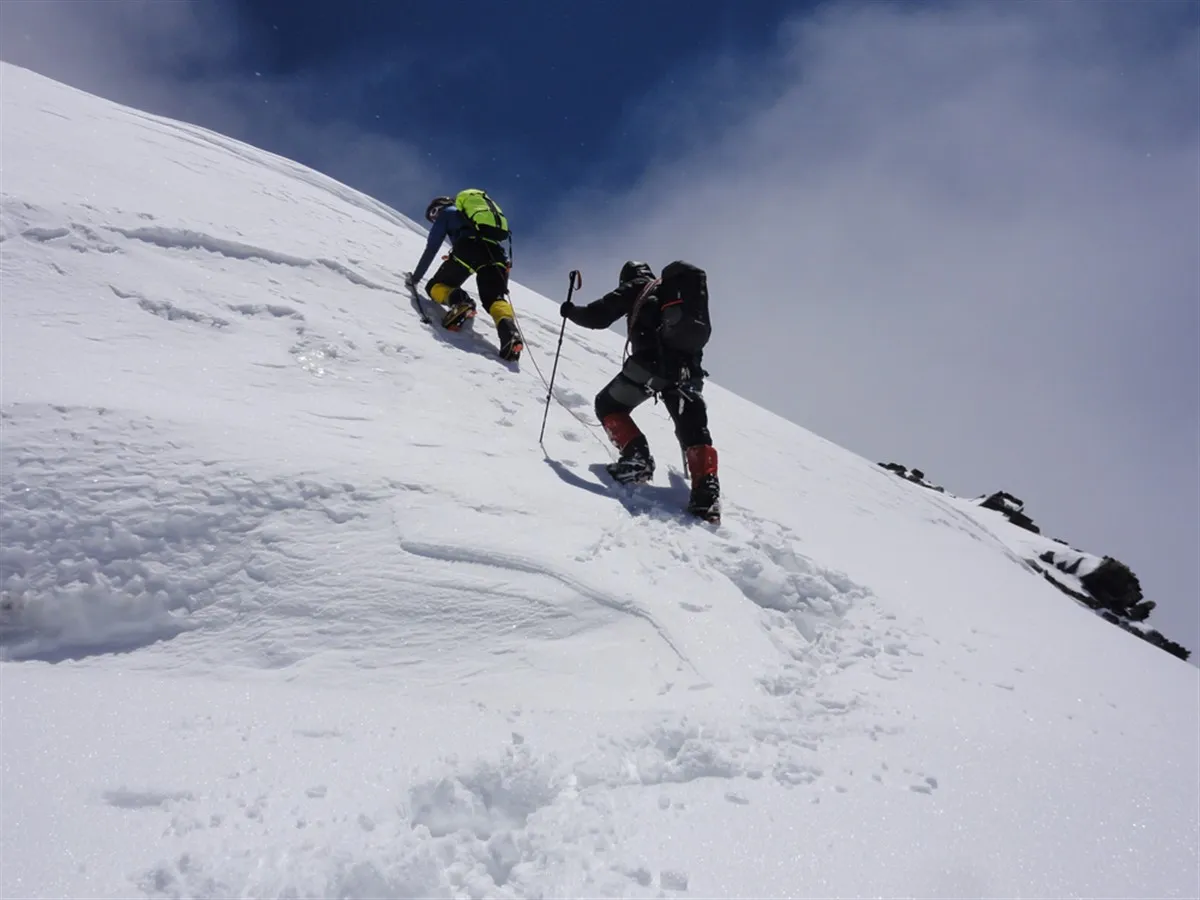
- Camp III (6,350m): The final high camp, positioning teams for the final snow slope push to the 7,126-meter summit.
For experienced mountaineers seeking alternative remote 7,000-meter objectives in Western Nepal, the Putha Hiunchuli Expedition also offers an exceptional high-altitude test piece in the Dhaulagiri range.
Everest Pre-Requisite Peak
Under regulations established by the Ministry of Culture, Tourism and Civil Aviation (MoCTCA) and the Nepal Mountaineering Association (NMA), aspiring Everest climbers must prove their high-altitude competence before attempting the world’s highest peak from the Nepal side. Specifically, prospective Everest permit applicants are required to present certified proof of having successfully summited at least one 7,000-meter peak in Nepal.
This safety mandate ensures that climbers possess the physical endurance, cold weather resilience, and technical competency needed to manage the extreme environment above the Death Zone (8,000 meters). Among the handful of eligible 7,000m peaks in the Himalayas, the Himlung Himal Expedition (7,126m) has emerged as the global gold standard for Everest pre-requisite climbing.