The Mardi Himal Trek offers a scenic Himalayan adventure in Nepal’s Annapurna region. It combines mountain views, rhododendron forests, villages, and beautiful ridge trails.
First, the journey begins with a drive from Kathmandu to Pokhara. Then, the trek starts from Kande and follows peaceful mountain trails. The route passes Deurali, Forest Camp, Low Camp, and High Camp. Finally, trekkers reach the Mardi Himal Base Camp area.
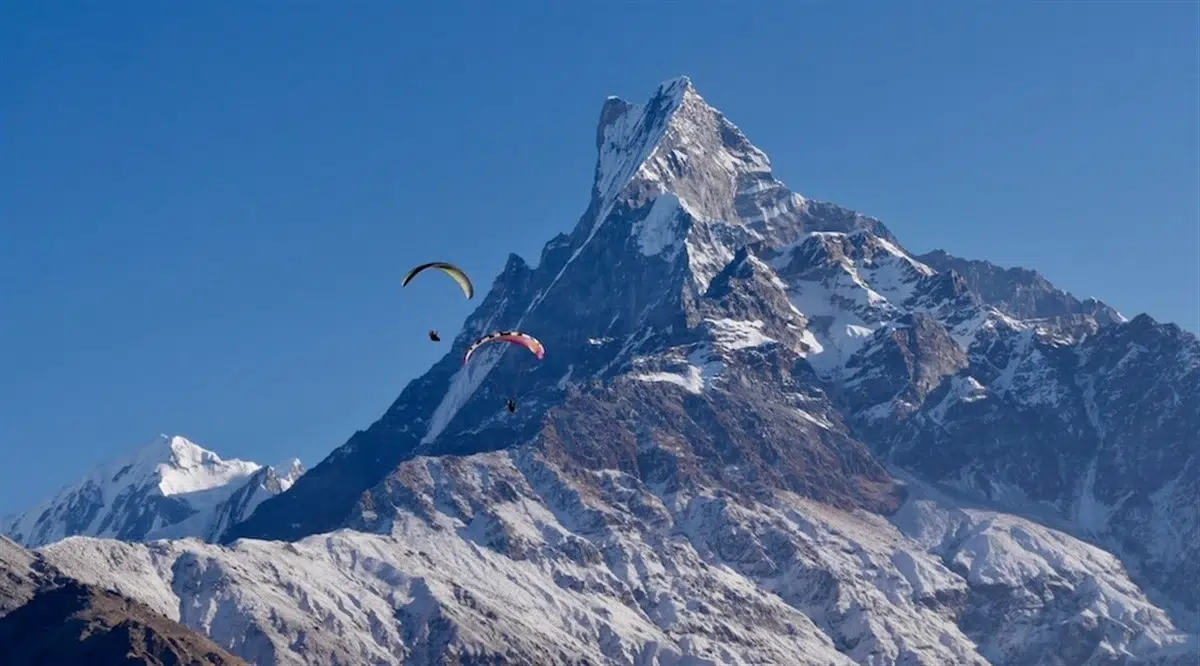
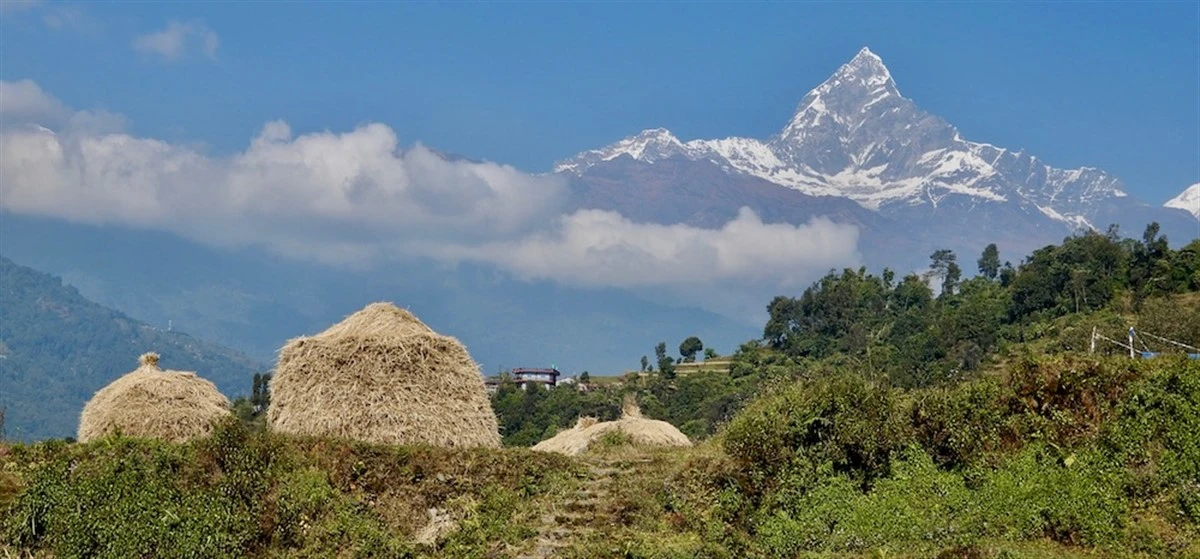
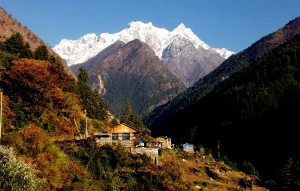
Along the way, the landscape changes from subtropical forests to alpine terrain. Meanwhile, panoramic views become more impressive as the trail gains elevation. You can see Mardi Himal, Machhapuchhre, Annapurna South, and Hiunchuli. Moreover, the ridge sections provide outstanding views across the Annapurna mountains.
This 11-day itinerary also includes comfortable stays in Kathmandu and Pokhara. Therefore, trekkers can prepare properly before entering the mountains. The itinerary also allows time for transportation, rest, and acclimatization. The trek is Perfect for travelers seeking a shorter Nepal trek, Mardi Himal offers an excellent mountain experience.
Overall, the Mardi Himal Trek delivers a rewarding Himalayan trekking experience. It combines accessible trails, dramatic scenery, mountain culture, and high-altitude adventure. Most importantly, the route provides close views of Machhapuchhre and the Annapurna range.
Why Trek Mardi Himal?
Mardi Himal offers a different experience from the longer and busier trekking routes of the Annapurna region. The trail moves quickly from forested hills to open mountain ridges, allowing trekkers to experience several Himalayan environments within a relatively short journey.
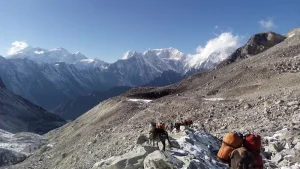
One of the defining features of the route is the ridge above Low Camp and High Camp. As the vegetation becomes thinner, the views become increasingly expansive. On clear mornings, the mountain panorama includes Machhapuchhre, Annapurna South, Hiunchuli and other peaks of the Annapurna range.
The route also provides an opportunity to experience rural Nepal. Teahouse stays, local meals, village trails and encounters with mountain communities add a cultural dimension to the trek.