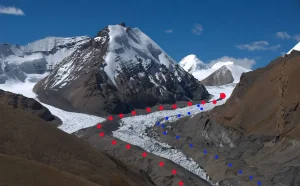
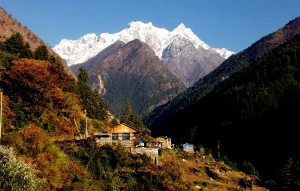
Lobuche Peak Climbing with EBC Trek combines Gokyo Lakes, Cho La Pass, Everest Base Camp, Kala Patthar, and a 6,119-meter summit. This 21-day journey covers some of the most iconic trails in the Khumbu region. You will trek through Sherpa villages, alpine valleys, glacial landscapes, and high mountain passes. The route also includes a technical ascent of Lobuche East Peak.
The itinerary starts in Kathmandu and flies to Lukla via Manthali. You then trek through Namche Bazaar before entering the Gokyo Valley. You will explore the Gokyo Lakes and climb Gokyo Ri for wide Himalayan views. The route then crosses Cho La Pass and joins the classic Everest Base Camp route. You will visit Everest Base Camp and climb Kala Patthar before preparing for Lobuche Peak. The summit reaches 6,119 meters above sea level.
This combination suits experienced trekkers who want to add a 6000 meter peak to their Everest region adventure.
Why Choose Lobuche Peak Climbing with EBC Trek?
This itinerary combines three major experiences in the Everest region. You will explore Gokyo Valley, visit Everest Base Camp, and climb Lobuche East.
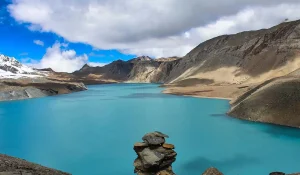
The Gokyo section adds a quieter high-altitude landscape to the journey. Nepal Tourism Board describes Gokyo as a scenic valley with turquoise glacial lakes and views toward several eight-thousand-meter peaks.
Gokyo Ri reaches 5,357 meters and provides broad views across the Everest region. The route then crosses Cho La before joining the Everest Base Camp trail.
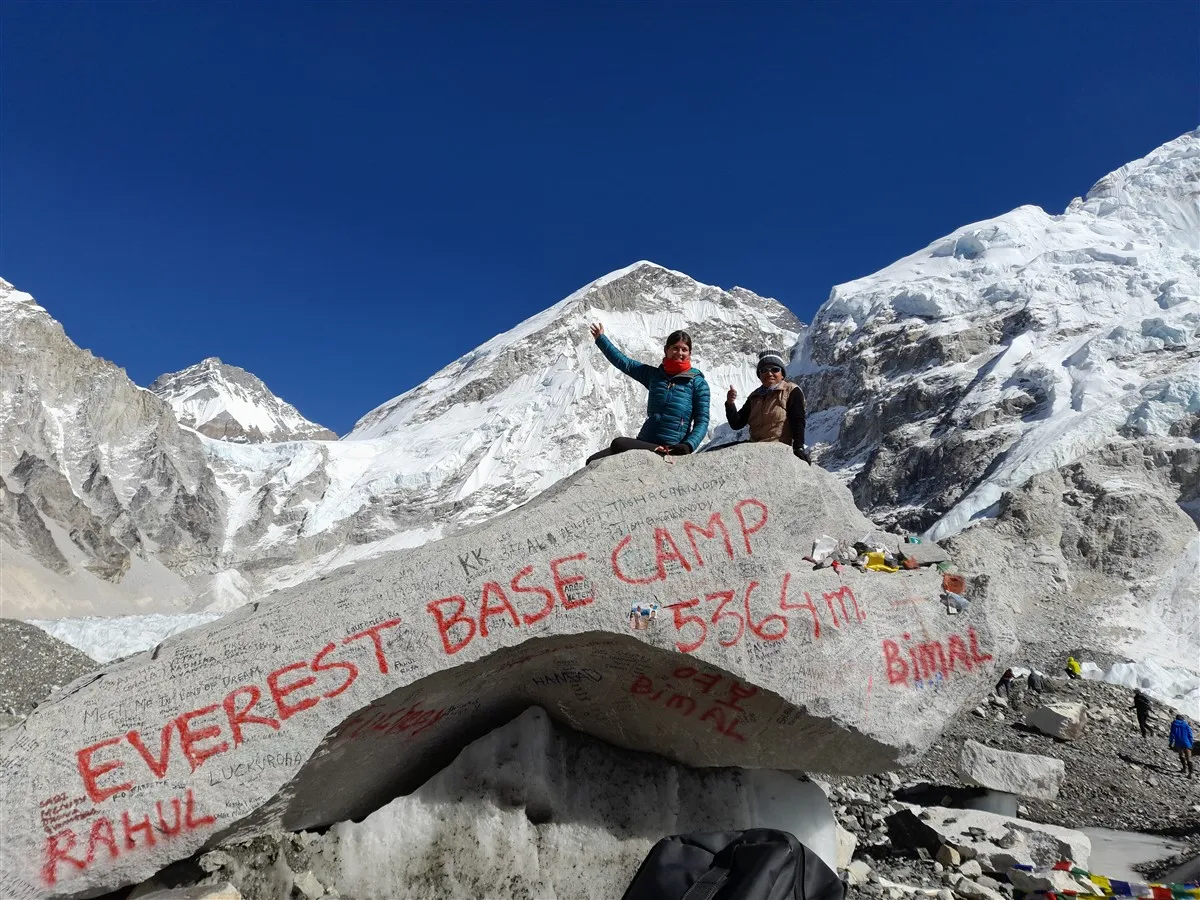
The Everest section takes you through Lobuche and Gorak Shep. You then reach Everest Base Camp and climb Kala Patthar for a panoramic mountain view.
After completing the EBC section, you focus on Lobuche Peak. The climb adds technical mountain terrain to the long-distance trekking route.
Lobuche Peak Climbing with EBC Trek Difficulty
This route combines high-altitude trekking with technical peak climbing. The itinerary reaches 6,119 meters on Lobuche East. It also crosses Cho La at approximately 5,420 meters. You will spend several nights above 4,000 meters. The summit climb can involve snow, ice, rock, steep slopes, and exposed terrain.
Good fitness helps you manage the long trekking days. Previous high-altitude trekking experience provides useful preparation. Basic crampon and ice axe skills can also improve your confidence. Your climbing guide will assess conditions before each technical section.