Skip to content
5.0
(1 reviews)

Overview & Highlights of Upper Dolpo Trek (Dolpo to Mustang Trek)

The Upper Dolpo Trek takes you into one of Nepal’s most remote and culturally rich Himalayan regions. This challenging journey combines high mountain passes, ancient villages, Buddhist monasteries, and dramatic Trans-Himalayan landscapes. It offers an unforgettable experience for trekkers seeking wilderness and traditional Himalayan culture.

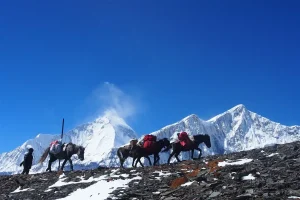
The journey begins with a flight from Kathmandu to Nepalgunj, followed by a connecting flight to Juphal. From there, you enter the remote Dolpo region and follow trails through Shey Phoksundo National Park to the beautiful Phoksundo Lake. The route continues through traditional settlements and remote valleys, including Shey Gompa, Saldang, Tinje, and Chharka Bhot.

Several mountain passes rise above 5,000 metres along the route. The highest point reaches approximately 5,550 metres on the current itinerary. After exploring the remote valleys of Dolpo, the trail crosses into the Mustang region and continues towards Jomsom. You then fly to Pokhara before returning to Kathmandu.

The trek is ideal for experienced trekkers who enjoy long walking days, remote mountain environments, and meaningful cultural encounters. If you would like to explore the region’s geography and history before your journey, read more about Dolpo.

Why Choose the Upper Dolpo Trek?

The Upper Dolpo Trek offers a rare combination of untouched wilderness, traditional settlements, and high-altitude adventure. The route passes through remote valleys with limited road access and basic facilities. Unlike popular trekking regions, accommodation options are scarce in the higher valleys, so most of the journey involves organised camping.

The landscape changes throughout the trek. You walk through forested river valleys, cross open alpine terrain, and explore dry Trans-Himalayan landscapes. Several high mountain passes connect the remote settlements of Dolpo and Mustang.

The region also offers opportunities to experience traditional Buddhist and Bon cultural practices. Ancient monasteries, local villages, and centuries-old traditions remain an important part of life in this part of Nepal. The route also passes through Shey Phoksundo National Park, which protects important wildlife, plant species, and Trans-Himalayan ecosystems.

If you prefer a shorter journey through the region, consider our Lower Dolpo Trek. It offers another opportunity to explore Dolpo’s remote landscapes and cultural heritage.

Upper Dolpo Trek Route

Kathmandu → Nepalgunj → Juphal → Kageni → Rechi → Phoksundo Lake → Shey Gompa → Namgung → Saldang → Musi → Simen → Tinje → Panjyang Khola → Tokyu → Maran → Yak Kharka → Chharka Bhot → Nulungsumda → Ghaldeng Ghuldung → Sangta → Jomsom → Pokhara → Kathmandu

Shey Phoksundo National Park

The Upper Dolpo Trek enters Shey Phoksundo National Park, Nepal’s largest national park. Covering approximately 3,555 square kilometres across Dolpa and Mugu districts, the park protects a remarkable range of Trans-Himalayan landscapes and wildlife habitats.

Its environment ranges from forested valleys to dry alpine terrain. Wildlife found in the region includes Himalayan tahr, musk deer, Himalayan black bear, and the elusive snow leopard. The park is also home to more than 200 recorded bird species.

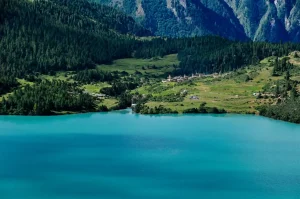
One of its most famous attractions is Phoksundo Lake, known for its striking blue water and dramatic mountain surroundings. The lake is a major highlight of the trek and offers some of the most memorable scenery in the Dolpo region.

Best Time for Upper Dolpo Trek

The best time for the Upper Dolpo Trek depends on the route, altitude, and weather conditions. Late spring, summer, and early autumn can offer suitable trekking conditions. Upper Dolpo lies in a Trans-Himalayan rain-shadow region, where conditions are generally drier than in many other parts of Nepal.

The Nepal Tourism Board identifies spring and September to October as suitable periods for visiting Shey Phoksundo National Park. However, weather conditions can change quickly at high elevations.

Flights to and from remote mountain airstrips also depend on visibility and local weather. We recommend adding buffer days to your itinerary to manage possible flight delays and other travel disruptions.
Trip Highlights

  • Phoksundo Lake: Behold the deepest lake in Nepal, famous for its mesmerizing, ever-changing turquoise hues.
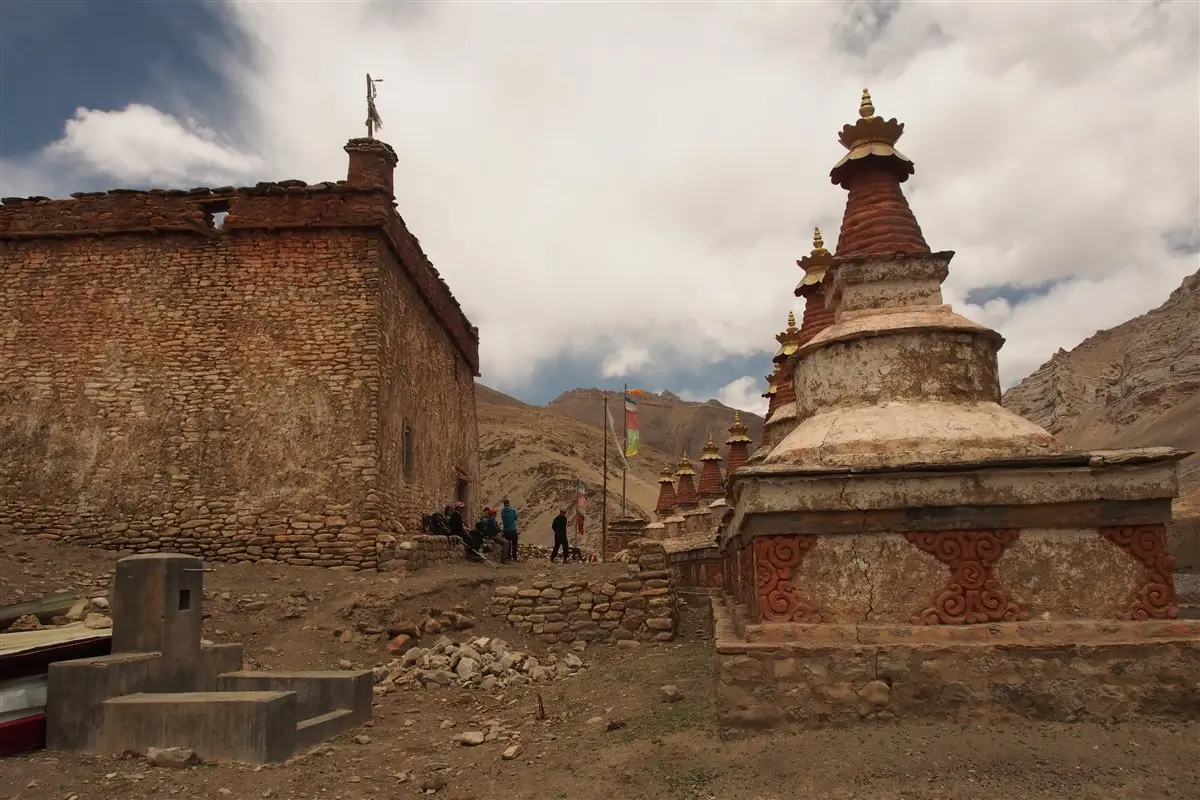
  • Ancient Monasteries: Visit Shey Gompa and the gravity-defying Tsakang Monastery, spiritual hubs of the region.
  • High Passes: Conquer challenging passes above 5,000m, including Nagdalo La (5,350m) and Jungben La (5,550m).
  • Bon Po Heritage: Immerse yourself in the pre-Buddhist Bon Po religion, featuring unique shamanistic rituals.
  • Wilderness Wildlife: Trek through Shey Phoksundo National Park, home to the elusive snow leopard and Himalayan blue sheep.
  • Authentic Villages: Explore Saldang and Dho Tarap, some of the highest human settlements on Earth.

Upper Dolpo Trek (Dolpo to Mustang Trek) Infos

Duration

28 Days

Trip Grade

Moderate

Best Season

August to October

Accomodation

3Star Hotel, Teahouse and Camping

Departure from

Kathmandu to Kathmandu

Transportation

Plane and Bus, Jeeps

Meal

Breakfast, Lunch and Dinner

Maximum Altitude

5550m


Upper Dolpo Trek (Dolpo to Mustang Trek) Itinerary

Upon arrival at Tribhuvan Inteational Airport in Kathmandu, you will be warmly welcomed with a traditional khada or flower garland and transferred to your pre-booked hotel in Thamel or Boudha. After check-in, your guide will brief you about the trek and answer any questions regarding the jouey ahead. Oveight Hotel.

Prepare packing your backpacks and permits in the moing and take a scenic one-hour flight to Nepalgunj in the afteoon with magnificent views of the Manaslu, Annapua, and Dhaulagiri mountain ranges. Nepalgunj is located in the lowlands of weste Nepal near the Indian border. Oveight Hotel.

An early moing flight takes you to Juphal, the gateway to Dolpo. During the flight, enjoy impressive views of deep valleys and rugged mountain landscapes. From Juphal, begin trekking downhill toward Suligad, following the Thuli Bheri River through small villages and cultivated fields before reaching Kagbeni. Oveight camp.

Continue trekking along the Phoksundo Khola, following riverbanks and forest trails with gradual elevation gain. Cross several suspension bridges and pass small settlements along the way. The surroundings become increasingly remote and peaceful as you enter the heart of Dolpo. Oveight camp.

Today, enter Shey Phoksundo National Park and ascend through pine forests, waterfalls, and narrow cliffside trails. Following the Phoksundo Khola gorge, you eventually reach the breathtaking turquoise waters of Shey Phoksundo Lake. Camp near Ringmo, a traditional village influenced by Tibetan and Bon culture. Oveight camp.

Spend the day acclimatizing and exploring Ringmo Village. Visit the nearby Bon Monastery and lea about the ancient Bon religion, which predates Buddhism. Enjoy a leisurely walk along the lakeshore and surrounding forests while taking in the spectacular scenery.

Oveight camp.

Follow the beautiful trail along the lake’s cliffs and shoreline. This area was featured in the famous film Himalaya: Caravan. After passing pebble beaches and pine forests, the trail becomes more rugged and remote. Camp beneath the impressive Kanjiroba Himal. Oveight camp.

Trek through forests and cross streams flowing from the Gand La Gorge. The trail steadily climbs into barren, windswept landscapes typical of the Trans-Himalayan region. Camp at Low Camp with wide mountain views and prepare for the high pass crossing the following day. Oveight camp.

Begin early to cross Nagdalo La Pass, which marks the boundary between Lower and Upper Dolpo. The climb is challenging but rewarded with panoramic Himalayan views. Descend through a rocky valley to Shey Gompa, one of Dolpo’s most sacred monasteries and a major highlight of the trek. Oveight camp.

Spend the day exploring the surroundings of Shey Gompa. Visit Tsakhang Monastery and lea about the region’s rich spiritual and cultural history. This area was made famous by Peter Matthiessen’s book The Snow Leopard. If time permits, continue to Tsarang and Gomoche. In the afteoon, hike over a nearby ridge and descend into a lush valley used by shepherds during summer. Oveight camp.

Cross several high ridges and the impressive Sela La Pass (5,094m), which offers spectacular views toward Tibet. Trek through wide valleys and barren landscapes before arriving at Namgung Village beneath dramatic cliffs. Visit the ancient monastery overlooking the settlement. Oveight camp.

A short but scenic trek leads across barren ridges and high plateaus before descending to the Namga Khola. Arrive at Saldang, the largest and most prosperous settlement in Inner Dolpo, known for its strong Tibetan cultural heritage. Oveight camp.

Follow an ancient trade route through the remote Nagkhong Valley. Pass mani walls, chortens, and traditional stone houses before visiting Yangjer Monastery, one of the oldest Bon monasteries in Dolpo. Continue to Musi Village, situated in a broad valley surrounded by colorful cliffs. Oveight cam.

Cross the challenging Muri La Pass before descending into the Panzang Khola Valley. The trail leads to Simen, a traditional Trans-Himalayan village influenced by Tibetan culture. Trek duration is approximately 6–7 hours. Oveight cam.

Ascend through rugged terrain and dry hillsides where yak caravans are often seen. Tinje is an ancient trading settlement that historically played an important role in the salt and wool trade. Trek duration: 4–6 hours. Oveight camp.

Continue through high-altitude grazing lands used by yaks and livestock during summer. The open and windswept landscape offers dramatic mountain views. Camp at Panjyang Khola Dovan. Oveight camp.

Cross the demanding Cho La Pass, adoed with colorful prayer flags and offering magnificent views of Dolpo’s arid landscapes. Descend to Tokyu, one of the highest and most culturally significant villages in the region, featuring ancient monasteries and traditional architecture. Oveight cam.

Follow the Tarap Khola upstream through a wide high-altitude valley. Pass ancient chortens and mani walls that once marked important trade routes between Dolpo and Tibet. Camp at Sipchuk or Maran. Oveight camp.

Climb steadily toward Jhyargo La Pass before making a steep descent into the valley below. The route offers magnificent mountain scenery and remote alpine landscapes. Continue to Yak Kharka, a peaceful summer grazing area. Oveight camp.

Ascend gradually across alpine meadows and grazing pastures before crossing Mo La Pass. Descend into the isolated Chharka Valley and arrive at Chharka Bhot, a traditional Tibetan-influenced settlement. Oveight camp. 

Enjoy a rest day for acclimatization and exploration. Visit local monasteries, ancient caves, and traditional farmlands. Lea about the Bon and Buddhist traditions of the region while relaxing and preparing for the upcoming stages of the trek Oveight camp.

Follow streams and nomadic camps before ascending into arid, high-altitude terrain. The landscape gradually changes from cultivated fields to barren Trans-Himalayan desert scenery. Oveight camp at Nulungsumda Kharka. Oveight camp.

Cross Niwa La Pass (5,150m) and Junbeni Pass (5,550m), enjoying magnificent views of the Dolpo and Mustang regions. Continue across open valleys before reaching the camp at Ghaldeng Ghuldung. Oveight camp.

Descend to the Chalung Khola and cross a newly built metal bridge into Mustang District. Climb gradually to a ridge decorated with prayer flags before descending to Sangta, a traditional village perched on a hillside. Oveight camp.

The final trekking day. Walk to Phalak or Dhagarjung and then take a jeep to Jomsom. Celebrate the successful completion of your trek with your trekking crew. Oveight Hotel.

Take an early moing flight to Pokhara. If flights are cancelled due to weather, drive to Pokhara instead. Spend the rest of the day exploring the lakeside area, temples, and stupas. Oveight camp.

Drive back to Kathmandu along the scenic Prithvi Highway, following the Trishuli River. Enjoy beautiful countryside views during the jouey. Oveight camp.

According to your flight schedule, you will be transferred to Tribhuvan Inteational Airport for your final departure. Bid farewell to Nepal with unforgettable memories of your Upper Dolpo adventure.


Want to Customize Your Trip?

We can tailor this trek to your schedule, comfort level, and interests.


Upper Dolpo Trek (Dolpo to Mustang Trek) Cost, Inclusions & Exclusions

What's Included

  • All airport pick up and drop by private vehicles.
  • 5 nights accommodation in a 3-star category hotel in Kathmandu, Nepalgunj and Pokhara on BB plan.(Twin bedroom sharing).
  • Experienced trekking guides, and porters, Cook and Kitchen staff  with their salary, foods, transportations, insurance, and camping equipment etc.
  • Full board service during the camping trek.
  • All land transportations and flight tickets from Kathmandu- Nepalgunj-Juphal-Jomsom-Pokhara-Kathmandu.
  • Special Lower and Upper Dolpo Trek permit, National park permit and ACAP permit.
  • Government tax and Local agency service charge.

What's Excluded

  • International airfare and Nepal entry visa fee.
  • Insurance (compulsory on all trips – ensure you are adequately covered for emergency evacuation).
  • Lunch and dinner in Kathmandu, Nepalgunj and Pokhara.
  • Personal Trekking Gears.
  • Spending of a personal expenses, e.g. laundry, snacks and bottles drinks, battery charging gadgets, souvenirs, and staff tips etc.

Essential Information of Upper Dolpo Trek (Dolpo to Mustang Trek)

What to Expect

The Upper Dolpo Trek is a fully supported camping trek. Unlike the popular Everest and Annapurna trekking routes, Upper Dolpo has very limited lodge accommodation, particularly in its higher and more remote valleys.

You will sleep in organised tents, while our trekking crew prepares meals throughout the journey. Our team manages the camping equipment, food, and essential logistics to support your trek. Mobile network coverage and Wi-Fi are extremely limited once you leave the lower valleys. You should be prepared for several days without reliable communication. This remote setting is part of the experience, allowing you to enjoy the natural surroundings and traditional mountain communities.

Challenges & Physical Fitness

The Upper Dolpo Trek is classified as strenuous to extreme (Grade 5). Depending on the itinerary, the journey involves approximately 24–28 days of trekking, with many days requiring 6–8 hours of walking.

Key challenges include:
  • Altitude: Much of the trek takes place above 4,000 metres. Proper acclimatisation and awareness of altitude-related symptoms are essential.
  • Terrain: Expect steep ascents and descents, narrow mountain trails, rocky sections, and multiple river crossings.
  • Physical preparation: We recommend at least 4–6 months of cardiovascular and strength training before departure. Previous high-altitude trekking experience is beneficial. Beginners should carefully assess their fitness and preparation before attempting this demanding route.
The trek requires patience, endurance, and flexibility. Daily walking distances and conditions may vary depending on weather, altitude, and trail conditions.

Upper Dolpo Trek Safety

Remote Himalayan trekking requires careful preparation and responsible decisions. Our guides monitor altitude, weather, trail conditions, and the health of the group throughout the journey.

Emergency assistance can take longer to reach remote areas. Therefore, we strongly recommend travel insurance that covers high-altitude trekking and emergency evacuation. Keep your insurance documents accessible during the trek. You should also carry essential personal medication and a suitable first-aid kit. Our guides assess the conditions and make route decisions based on the group's health, weather, and trail safety.

Why Trek with Himalayan Travellers?

Himalayan Travellers has organised trekking and Himalayan adventures in Nepal since 2002. Our team includes experienced mountain guides and trekking staff who understand the challenges of remote Himalayan routes.

We organise treks and expeditions across Nepal, managing permits, transport, accommodation, camping equipment, meals, and other essential logistics. Our focus is on practical preparation, responsible travel, and the safety of our guests. For the Upper Dolpo Trek, we coordinate the complex arrangements required for remote camping and high-altitude travel. Our guides support you throughout the journey and help manage changing weather, altitude, and trail conditions. If you are interested in exploring another remote Himalayan region, you can also consider our Nar Phu Valley, Kang La Pass, Tilicho Lake and Thorong La Trek. For a different cultural experience, our Upper Mustang Trek explores the distinctive landscapes and traditional settlements of the Mustang region. Whether you choose Upper Dolpo, Lower Dolpo, Nar Phu, or Upper Mustang, Himalayan Travellers can help you plan a memorable journey through Nepal's remote Himalayan landscapes.

Upcoming Fixed Departures

Trip Name Departure Date Status Price Action
Upper Dolpo Trek (Dolpo to Mustang Trek) Apr 16, 2026 Filling Fast €0 Join Trip

Customer Reviews

Julien Fumard
Julien Fumard

From: Google Review

Traveled as: Upper Dolpo

I had the chance to go on a special Upper Dolpo trek in 2017 with Himalayan Travellers through a common friend. It was a memorable experience with a great team of fun and dedicated people that I will always remember. There are so many agencies in Nepal, I met quite a handful of them for my many treks, but this is the one I will continue working with for my future projects. Thanks for the quality work and the good mood! :-)

Frequently Asked Questions (FAQs)

The main difference between Upper Dolpo and Lower Dolpo lies in altitude, landscape, and cost. Lower Dolpo is greener, reaches lower altitudes (around 4,000m), and has simpler permit requirements. Upper Dolpo is a high-altitude desert (up to 5,500m), requires a more expensive Restricted Area Permit (RAP), and offers a more “pure” Tibetan cultural experience.

The Upper Dolpo Trek cost typically ranges from $3,990 to $6,000 USD per person. This includes the expensive RAP ($500 for the first 10 days), domestic flights, camping logistics, and professional guides.

Yes, you need four specific permits: the Upper Dolpo Restricted Area Permit, the Lower Dolpo Permit, the Shey Phoksundo National Park Entry Permit, and ACAP Permit. These must be organized through a registered trekking agency.

The best window is from August to October. Since Dolpo lies in the rain shadow of the Himalayas, it is one of the few regions in Nepal suitable for trekking during the monsoon months (June to August).

Starting from

€3,996

Per Person (Group Join)